|
Equality super-regulator planned
The government is to set up a one-stop-shop equality watchdog to police burgeoning anti-discrimination laws.
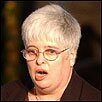
Barbara Roche has announced plans for a single commission to take over from the six commissions currently tackling discrimination on the grounds of disability, race, sex, religion, age and sexuality.
But some campaigners are concerned that the new structure could sideline minority groups.
Proposals for a one-stop-shop will take six months and a blueprint for the new body will be set out by the Cabinet Office this autumn.
The minister for women is concerned that overlapping and expanding equality legislation can lead to confusion as to what form of discrimination faces complainants or litigants.
"It is important that we find ways to involve those who think that the current equality machinery does not meet their needs," she said.
"From the woman who does not know whether her lack of promotion is because she is black or female, to the employer who is reluctant to ask for advice for fear of being reported."
The proposal has been greeted with suspicion by commissions and minority groups.
Roche moved to reassure that her plans do not "mean ignoring the voices of any particular group represented by the current commissions".
"Equality isn't a minority issue and discrimination legislation is not just about protecting a few, important though that is - it's relevant to all of us," she told the British Bankers Association.
The Disability Rights Commission (DRC) warns that a single equality commission risks weakening newly established rights for 8.5 million disabled people unless legislation is passed to bring all discrimination laws into line.
DRC chairman Bert Massie said: "Disabled people fought for many years to establish enforceable civil rights - these began to come into force only five years ago and many remain to be implemented.
"We must ensure disabled people's voices continue to be heard and their rights enforced. A Single Commission might work to the advantage of all and be a tremendous opportunity to tackle multi-discrimination. However, a single equality commission should not precede a single equality act."
|