|
All-women shortlists ban to end
The government is aiming to tackle the gender imbalance in the House of Commons by introducing legislation that should guarantee that more women run for parliament.
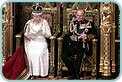
Plans were unveiled in Wednesday's Queen's Speech that will enable political parties to use women-only shortlists for the selection of parliamentary candidates as well as lists that are gender-balanced .
Labour successfully adopted the all-women shortlists policy for the 1997 general election before an employment tribunal ruled it illegal.
The policy was credited with enabling the election of a record 120 women to parliament in 1997, 101 of which were Labour.
However, in this year's election, only 118 women were successful at the polls out of 659 members elected, the first decline in women's parliamentary representation in 25 years.
Downing Street claims that the plans demonstrate the government's determination to bring about a more equal society as was also shown by the appointment of a record seven women to the cabinet in the post-election reshuffle.
A spokesman for the Department for Transport, Local Government and the Regions, which is handling the policy, said the government was proud of the female representation in the cabinet and indicated that the all-women shortlist plans would enable more talented women into the governments of the future.
"The better balance in any elected body, the more certain we can be that the full range of leadership talent is available," the spokesman said.
Responding to the shortlists announcement , Mary-Ann Stephenson, director of the women's pressure group the Fawcett Society said she was "delighted".
"This type of positive action is needed not because women are not good enough to succeed on merit, but because the discrimination they face means they often do not get a chance to try," Stephenson said.
"It is now up to the parties to take advantage of this change, and introduce new selection methods, like all women shortlists that have been shown to be effective. There will soon be no excuse for any party not to have equal numbers of male and female MPs."
|