|
Zimbabwe dominates Commonwealth talks
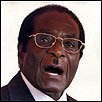 |
| Banned: Mugabe |
Commonwealth leaders are working to ensure Zimbabwe's crisis does not overwhelm their conference.
Heads of government at the meeting in Abuja, Nigeria are battling to ensure the issue Zimbabwe's suspension from the Commonwealth does not dominate the four-day event.
Britain, Australia and Canada have signalled they want to step up efforts against the Mugabe government.
Tony Blair has rejected calls from some African nations for Zimbabwe to be readmitted.
"I certainly don't favour doing anything that diminishes the obligation to make change there because change is so obviously in the interests of the people," the prime minister said.
"This is nothing to do with old-fashioned colonialism. It is simply to do with regimes that don't treat their people properly."
Blair said it was important that the Commonwealth sent a strong signal of disapproval at events in Zimbabwe.
"The Commonwealth has got a limit to the power it can have, but it is far better that a signal is sent from the Commonwealth than it is not sent.
"The important thing is to work for change in Zimbabwe for the black population as much as the white farmers. The black population are the main people who suffer."
Zimbabwe was suspended after the presidential elections last year which were deemed as void by observers because of widespread intimidation and vote-rigging.
The conference is also set to discuss whether Pakistan should be readmitted.
Its official themes that will frame discussions are development and democracy.
In her speech to Commonwealth leaders the Queen warned that the menace of terrorism poses new and sinister challenges to global stability.
The Queen highlighted other issues where leaders could make progress.
"Poverty, hunger, environmental degradation, the scourge of HIV/Aids, the lack of educational opportunities, are all among the legacies which the world has not been able to overcome," the Queen said.
"They continue to threaten global stability just as the menace of terrorism and unresolved conflict posed new and sinister challenges to it."
In the UK, the Opposition claimed the prime minister had been "half-hearted" by not calling for sanctions against Zimbabwe.
Shadow foreign secretary Michael Ancram urged Tony Blair to step up pressure in the remaining days of the conference.
"I hope he's going to show from now on he's not going to go on with that, he's going to take a firm line and at last we may be able to see some action which will remove Mugabe from power in Zimbabwe," he said.
|


