|
Television licence fee to rise
The television licence fee is to increase from April next year.
In a written statement to the Commons on Tuesday, the government confirmed that a licence for a colour television will increase from £116 to £121, while the charge for owning a black and white set will increase from £38.50 to £40.50.
The rate of increase is in line with the formula agreed with the BBC in February 2000, following a report by a review panel which examined the funding of the corporation.
The agreement allows for rises in the licence fee of the rate of inflation plus 1.5 per cent, and is valid until the year 2006/07.
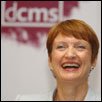
"This settlement is designed to enable the BBC to provide a strong and distinctive schedule of high quality programmes and remain at the forefront of broadcasting technology," said culture secretary Tessa Jowell.
"The settlement includes a requirement for the corporation to raise around £1.1 billion through efficiency savings and increased income over the same period."
Regulations for the new fees would be published "in due course", she said.
The Conservatives argued that the fee had increased by nearly a third since Labour came to power in 1997.
"It is my view that the licence fee is a regressive tax which bears most heavily on those on the lowest incomes," said shadow culture secretary Julie Kirkbride.
"There is growing evidence that public support for a compulsory licence fee is declining, with many no longer regarding it as providing value for money.
"Many who already choose to pay for additional channels that they want to watch, resent having to pay on top of that for BBC channels that they do not watch. In addition, others who do not have access to digital TV regard it as unfair that they have to finance BBC channels that they cannot receive.
"These rises cannot continue - the people of Britain deserve a system that only spends their money on high quality public service broadcasting, not the more commercialised aspects of broadcasting that gives the BBC an unfair advantage against other unsubsidised broadcasters."
|