|
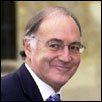
Howard emerges as leadership frontrunner
Michael Howard is now the strong favourite to succeed Iain Duncan Smith if he steps down as Conservative leader.
Bookmakers have dramatically shortened the odds on the shadow chancellor in recent days, overtaking David Davis as the front runner.
The shadow deputy prime minister is still confident that he could win an election in a ballot of the entire party membership but is likely to trail behind Howard in the first round of voting among MPs.
The parliamentary party would select two candidates to go forward to the full election were Duncan Smith to resign or be beaten in a motion of no confidence.
Howard and Davis are highly likely to be the top two although several other senior figures could stand as compromise candidates or in order to boost their profiles further.
Three men who will probably not enter the fray would all make popular choices among MPs.
Former chancellor Kenneth Clarke has twice been defeated in previous polls and knows his pro-euro and anti-war stances would severely limit his prospects among party members.
Clarke denied he was set to run last week and has told friends he would only stand if put forward unanimously by MPs.
Shadow home secretary Oliver Letwin has consistently denied he has ambitions to lead the Conservatives and is instead set to act as a kingmaker.
Interviewed on Monday he repeated his remarks saying "under no circumstances" would he contest the leadership.
And former defence secretary Michael Portillo has ruled himself out following his defeat in 2001.
He has let it be known he would back his successor as shadow chancellor and would bring a lot of support to the Howard camp.
Howard is the Tories' most effective parliamentary performer and has earned the respect of Portillo's many modernising fans by refusing to commit the Conservatives to tax cuts.
However as a former home secretary he is still connected in the public mind with the unpopular Major government.
Ann Widdecombe's damning phrase that he has "something of the night about him" could also undermine his attempts to appeal to former Tory voters.
Davis is a strong campaigner who would bolster Conservatives in key marginal seats.
Despite being sacked as party chairman last year he has refused to publicly disown Duncan Smith.
Instead as shadow spokesman to the Office of the Deputy Prime Minister he has campaigned against council tax increases and plans for regional assemblies, developing a populist position demanding tax cuts.
While both of the main contenders are from the Conservative right and firmly anti-European, Howard has shown the more willingness to move towards the centre and engage with the modernisers' agenda.
He would also be seen as a caretaker figure who could take the party through the next general election and allow the next generation of leaders to come through.
Shadow foreign secretary Michael Ancram could also fit that bill, but polled poorly in 2001.
Party chairman Theresa May would appeal to some but lacks widespread support, while shadow Cabinet members Liam Fox and Tim Yeo could stand in order to enhance their job prospects under the new leader.
|