|
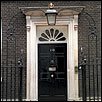
Challenges remain for Number 10
Recent events have left the prime minister with much to reflect on as he prepares for the long run up to the next general election.
His sixth year of service has been his most difficult yet, with the war in Iraq occupying much of his time.
As Tony Blair relaxes in Barbados this August, his holiday coincides with the beginning of Lord Hutton's inquiry into the death of government scientist Dr David Kelly.
The fallout from Dr Kelly's briefing to BBC journalists, culminating ultimately in the weapons expert's apparent suicide, has been arguably the single biggest crisis in Blair's tenure in Downing Street.
There was little doubt judging from his appearance in Tokyo after hearing the news that Blair recognised the scale of the threat to his credibility.
If Lord Hutton finds the government in any way culpable for Dr Kelly's death it is Blair who will be blamed by his growing legion of critics.
And if the Labour leader is to continue governing and achieve his remaining objectives he will have to hope the law lord gives him enough room to continue insisting he has done nothing wrong.
Meanwhile, poor opinion poll ratings are also hanging over ministers. Such problems are not unfamiliar for a government in the middle stage of a parliament.
And to have any chance of deposing Blair, the Conservative Party will need to move much further ahead before the next general election.
Far more worrying for Blair are his plummeting approval and trust ratings. Public trust has been one of his key assets in winning two record landslide Labour majorities.
The Iraq rows have taken their toll and question marks are likely to remain for as long as weapons of mass destruction, or at least evidence of them, remain absent.
But Blair can look back on significant achievements since he entered Number 10 in 1997, including a well-performing economy, rising NHS budgets, improved school test results, and an overall decline in crime.
Yet even in these key areas problems are beginning to appear. Growth is not meeting the Treasury's expectations, Labour MPs rebelled in large numbers over foundation hospitals and a funding crisis has hampered classroom reform.
Abroad, Iraq has left Blair isolated among major European partners such as Germany and France and driven the US further from, not closer to, international institutions such as the United Nations.
And on a personal front the "Cheriegate" affair revealed the full extent of media hostility to him and his family.
As he gears up to give evidence to the Hutton inquiry and prepares for a crucial party conference where spin is expected to be declared "dead", Blair may well find it difficult to relax even in Barbados.
|