|
Watchdog backs postal ballots over e-voting
The Electoral Commission has recommended that future local council elections should be run as all postal ballots.
The radical suggestion was set out in a report on the alternative voting methods trialled during last May's council elections in England.
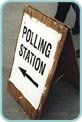
Ministers were warned that there is a widespread public perception that the traditional form of voting - marking an "X" on a ballot paper in a polling station - is now "irrelevant and effectively redundant".
Examining the effectiveness of the electronic methods of voting that were tested - including text messages, digital television, the internet and electronic kiosks - the commission warned that there was a long way to go before such technologies could be rolled out across the country.
The elections watchdog appeared to be much more impressed with the benefits of postal voting.
"Our evaluation of the all-postal pilot schemes suggests that this approach is effective in boosting participation rates at local elections - to an extent that was largely underestimated when the pilots process first began, and which appears to be sustainable," said the report.
"Indeed, the commission believes that there are real risks that if returning officers in areas with repeated experience of all-postal elections are obliged to revert to polling stations, voters will express considerable frustration and disappointment.
"We have also noted that there is only very limited evidence of any increase in fraud or electoral offences linked to the use of all-postal ballots."
The commission said there should be a "statutory presumption" that all local elections be run as all-postal ballots unless there are compelling reasons why it would be inappropriate.
In one test area, Rotherham, 43 per cent of postal ballot papers were returned, compared to just 27 per cent at the previous comparable election.
While 32 councils ran all-postal ballots and 17 areas tested electronic methods of voting, there were concerns that the technology is not yet available to hold an "e-enabled" general election.
"In relation to electronic voting, we are clearly some way from the prospect of an e-enabled general election," concluded the report.
Backing greater choice for the voter, the commission said that e-voting pilot schemes should continue to develop the technological infrastructure, rather than in the hope of securing short-term increases in turnout.
"We are clear that there should continue to be tests of electronic voting in order to ensure that in the future, the mechanics of democracy are not regarded by considerable sections of the public as irrelevant and effectively redundant, even if there is widespread adoption of all-postal voting," the report said.
There was also a downbeat assessment on the current usefulness of text message voting and the use of digital TV channels, which "add limited value to multi-channel pilot schemes".
|