|
Roche: Quangos can help overcome apathy
Widening the basis of appointments to quangos could help to tackle public apathy with politics, a government minister has said.
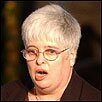
With politicians of all parties expressing concern about the lack of public interest in the political process, Cabinet Office minister Barbara Roche said the government's drive to broaden the range of appointments to non-departmental public bodies could help to reinvigorate local communities.
Giving evidence to the Commons public administration select committee, Roche said encouraging a wider range of people to apply for jobs on the boards of public bodies was part of the government's drive to overhaul the public services.
She said there should be a drive to get people to take part in the work of national bodies, and there should be a separate commitment to get people involved in public life in their local communities.
"By encouraging more people to play a role, both in their local communities and in political parties, you just help to re-engage the electorate," Roche told MPs.
With the committee previously having heard evidence from Channel 4's Mark Thomas, who suggested that appointments could be made on the basis of a lottery to ensure greater diversity, ministers said they weren't convinced by the arguments in favour of such a move.
Christopher Leslie, also a minister in the Cabinet Office, admitted it was difficult to square the need to improve diversity while focussing on ability to do the job.
He said that when making appointments, the advice from civil servants was "based on merit and the ability of the individual to do the job".
Questioned on the idea of a lottery, Leslie said: "My own view is that would radically conflict with the principle of appointment on merit".
He conceded such a move could increase diversity "but you might also have a detrimental effect on other areas" such as in the specialist knowledge needed in appointments to scientific committees.
Leslie also accepted that "there is merit in having lay people on the board of specialist committees", with them having a role in making sure policies are explained in plain English. But he warned that "you have to get the balance right" stressing that the public would expect the most qualified people to be appointed.
As the government looks for new ways to achieve its aims of ensuring the equal representation of women and men in public life, and increased representation of people from ethnic minorities and people with disabilities, Roche said the government had an open mind on new ideas.
"We are very much open to change in this area, new ideas and recommendations," she told the committee.
|