|
Commonwealth deal postpones Zimbabwe decision
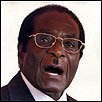 |
| President Mugabe |
Commonwealth leaders have reached a deal on how to respond to the growing threat to Zimbabwe's democracy.
A three-man commission will decide what action to take after the elections have been held, the Commonwealth heads of government decided at their summit in Coolum, Australia.
The move represents a defeat for Britain, Australia and Canada which had been pushing for the immediate suspension of Zimbabwe from the Commonwealth.
The commission will be comprised of Nigerian president Olusegun Obasanjo, South African leader Thabo Mbeki and Australian prime minister John Howard.
The Foreign Office said the Commonwealth heads of government had discussed the situation in Zimbabwe and "expressed their deep concern about incidents of violence and intimidation surrounding the election campaign".
The Commonwealth leaders also called on all parties to refrain from violence and urged the authorities to hold a free and fair election.
But in the latest threat to democracy in the troubled country, it has been reported that president Mugabe has put the army in charge of the election and vote counting, leading to fears of voter intimidation and electoral fraud.
At the weekend, the Zimbabwean government has rejected outside "interference" in forthcoming elections following Tony Blair's warning that the Commonwealth would be damaged if it failed to take strong action against president Mugabe.
Speaking on Saturday, the British prime minister had said he was hopeful that should president Mugabe win the presidential election unfairly then suspension would result.
And Blair added that if Commonwealth observers concluded the election was unfair then it would be "essential" for the Commonwealth to act. Failure to do so would damage the organisation, he warned.
But Zimbabwean information minister Jonathan Moyo rejected any significant role for the Commonwealth.
"I want to repeat to you and I what this to be very understood very clearly. The elections in Zimbabwe will be decided by voters and not observers wherever they are from," he told the BBC.
Shadow foreign secretary Michael Ancram said both the British government and the Commonwealth had left their actions too late.
"I don't believe they have been doing enough for a long time," he told the BBC.
"I think the problem is that the message from the Commonwealth, the British government, the European Union has been uncertain at a time when if we had been firm some six months ago that message might have got through to president Mugabe."
With the elections scheduled for March 9 and 10, human rights campaigners Amnesty International called for constructive engagement on human rights in the country.
"We urge the Commonwealth leaders gathered at the [summit] to clearly communicate to president Robert Mugabe, and other senior Zimbabwean government officials, that the human rights violations that are taking place on a daily basis must be ended immediately," said Amnesty.
|


