|
Moral minority lose pill vote
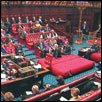
A Conservative attempt to halt over-the-counter sales of the morning after pill was defeated in the House of Lords by a majority of 82 (177 to 95) on Monday night. The vote is another setback for the campaigners who failed to block the equalisation of the age of consent.
Baroness Young, the family-minded Tory peer, was defeated in her move to block a ministerial order permitting over-the-counter sales of the morning after pill, a move which she said would lead to the "promotion" of unsafe sex and "irresponsible" behaviour among young people, "exposing young girls to manipulation by boyfriends who prefer not to use a condom".
The peer and her supporters claim that sales of the pill will have little or no impact on teenage pregnancies or abortions, claiming: "It gives the green light to sleeping around. A message which will probably have a much more powerful impact than the drug itself". The Christian Institute whose pamphlet "The morning after pill: promoting promiscuity" was handed out by Baroness Young's supporters in the Palace of Westminster on Monday says that it is "in principle opposed to the pill" but argued that concerns about the health aspects of the drug can garner a wider layer of support.
Baroness Young points out that the sex education and family planning industry has failed to combat a rise in sexually transmitted diseases or teenage pregnancies. "I would start by looking at a place where they have succeeded. In the US they run an abstinence programme, supported by Hillary Clinton, where girls are taught to say 'no'. One of the problems today is peer pressure, once not everyone was doing it," she said.
Health campaigners have expressed concern that clinical and safety concerns are being used to underpin a traditionalist moral position. Young discounts this saying: "I am against promiscuity because of health hazards. Health professionals do not usually hesitate to say something is wrong when they think something is serious, smoking and alcohol are examples. If it is undesirable for under-16s to buy alcohol why not the morning after pill?"
Ann Furedi, the director of communications at the British Pregnancy Advisory Service, dismisses Young's stance: "The attempt to retain prescription status is not based on concerns about the safety or efficacy of the product, but on the 'morality' of making emergency contraception more easily available. Both the Committee on Safety of Medicines and the Medicine's Control Agency are satisfied that Levonelle-2 poses minimal risk to users."
"Clinical effectiveness and safety issues should underpin the manner in which medicines are provided, not the dusty moral judgements of the upper house."
For the government, the health minister, Lord Hunt of Kings Heath, said that whilst the pill was not ideal and he had seen no evidence to suggest the availability of the morning-after pill would lead to a rise in sexual disease. Organisations including the Royal College of General Practitioners, the British Medical Association, the Royal College of Nursing and the Royal Pharmaceutical Society of Great Britain backed the scheme which was the most effective way of preventing more unwanted pregnancies, he said.
|