|
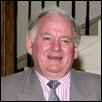
Martin takes the speaker's chair
The House of Commons elected Michael Martin as speaker on Monday evening, although MPs expressed dissatisfaction at the system used to select Betty Boothroyd's successor. The main challenge to Martin came from Tory baronet Sir George Young. Despite being tipped as a front-runner, Young's rally failed to materialise with Martin securing 317 votes over his 241.
Martin, the first Catholic speaker since the reformation, had assiduously worked to secure the speakership since Boothroyd announced that she was to stand down. An avuncular Scot, he won the support primarily of Labour MPs and must now prove himself to be ready to stand up for all parts of the House. He is a former sheet metal worker and Glasgow councillor who rose through the ranks of the Commons to become deputy speaker. As he told MPs, he had never sought ministerial office and declared how as deputy speaker he had worked hard to defend the rights of MPs, particularly those new to parliament.
Leading the tributes to Martin, the prime minister, Tony Blair, told the Commons last night: "Congratulations on your election. Much has been made of your origins, of the hardship and difficulty in being brought up in Scotland in circumstances of poverty, and no doubt those will give you a special insight into the position of many people in this country. But I want to lay stress not on your origins but on your quality, your integrity and your worldly wisdom."
His election was overshadowed by the complex electoral system used. A large group of MPs - led by Tony Benn - called on Sir Edward Heath, who as Father of the House took the chair, to change the system of election. Several MPs from both sides of the Commons claimed the complex procedures would "bring the House into disrepute" and demanded a system that was "more open, democratic and transparent".Heath admitted that the system was not ideal saying he had "considerable sympathy" with those who found it difficult to comprehend. In order to assist MPs with the complex and archaic rules, he set out the order in which the candidates would be put to the House. With 12 candidates in the running, the process of electing Boothroyd's successor lasted for several hours.
Under the bizarre rules, Michael Martin became "the motion" and was the man who the other candidates had to beat to secure the top Commons job. The first division between Martin and the other deputy speaker, Sir Alan Haselhurst, saw Martin winning by 345 votes to 140. His vote held up throughout the subsequent electoral rounds.
|