|
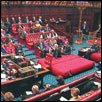
House of Lords Bill (G)
Amongst a series of measures aimed to improve public services, reform of the House of Lords is set to proceed this session, although the timetable still looks sketchy.
The government is to introduce a bill to implement the second phase of Lords reform, which is expected to see the abolition of the remaining hereditary peers, the appointment of others by a special commission and the introduction of elections for the remainder.
Campaigners for constitutional reform have continued to press for reform. Charter 88 linked Lords reform to public disillusionment with the democratic process, seen in the low general election turn-out.
"Lords reform needs to be brought forward as a matter of urgency, not least as a way to restore public confidence in the democratic process," said a Charter 88 spokesman.
The appointment of Blair aide Sally Morgan to the Lords as a minister was further evidence of the need for democratic reform, he added.
The government received the report of a Royal Commission on reforming the House of Lords in January 2000. Chaired by Lord Wakeham, it decided that the Lords should have 550 peers, with a minority directly elected.
The commission failed to agree on a specific method for electing the members and instead suggested three options for further discussion, with the members being elected indirectly through general election results or separate regional elections.
|